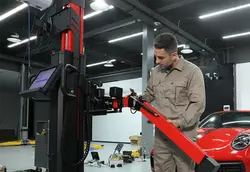

Advanced Driver Assistance Systems
ADAS & CAR SERVICES
Welcome to LUX AUTO STUDIO! We are dedicated to providing top-notch car repair and maintenance services.
Our experienced team is committed to keeping your vehicle in excellent condition, ensuring your safety on the road.
OUR MECHANICAL EXPERTISE
PERFORMANCE TUNING
& CUSTOMIZATION
END OF LEASE
INSPECTION
Our team of skilled mechanics is equipped to handle a wide range of car repairs and maintenance tasks. From routine oil changes to complex engine diagnostics, we've got you covered.
Elevate your driving experience with our expert vehicle upgrades and fine-tuning services, designed to unlock your car's full potential. We also specialize in car customizing ensuring it reflects your style while enhancing performance.
Our comprehensive multi-point inspection & service ensure that you are informed about any repairs needed before returning your vehicle at the end of your lease. Avoid high unexpected costs at dealership.
VISIT OUR FACILITY TODAY
Exceptional car care at our top-notch repair service, where we specialize in ADAS, Alignment, Mechanical Services, Performance Tuning and Customization as well as Tinting, PDR, and Painting. Come in today and let us take care of your needs with expertise and dedication!

SHOWCASE
CUSTOMIZED SOLUTIONS FOR YOUR VEHICLE
We prioritize delivering tailored solutions to meet your car's repair and maintenance requirements. Our goal is to provide exceptional service and keep your vehicle running smoothly.
EXTENDED HOURS & SPECIAL NEEDS
We understand that car issues can occur at any time. That's why we are committed to being available whenever you need us. Count on our team to address your car-related concerns promptly.
COMPETITIVE PRICING
We offer competitive and transparent pricing for all our services. Rest assured, you'll receive high-quality car repair and maintenance at unbeatable prices.
EXPERTISE AND PROFESSIONALISM
Our team comprises professionally qualified technicians who are dedicated to upholding the highest standards of service. Your vehicle will be in the hands of experts.
Alexa Young, CA
Wonderful service, my rear camera wouldn't gauge the distance for parking and Lux Auto Studio saved me.
INSURANCES WE WORK WITH


Frequently asked questions
- 01
General Repair Timelines
Minor Damage (1 to 3 Days): This includes superficial issues like minor bumper scuffs, small dents, scratched paint, or a simple side-mirror replacement.
Moderate Damage (1 to 2 Weeks): This involves slightly heavier impacts requiring the replacement of a few body panels (like a fender and a door), minor suspension work, and blending new paint into the adjacent, undamaged panels.
Severe Damage (1 Month or More): High-impact collisions that result in structural or frame damage, airbag deployment, or significant internal mechanical issues take the longest.
Factors That Can Extend Repair Times Even with a highly accurate initial estimate, several moving parts in the collision repair process can occasionally extend a vehicle's time in the shop:
Hidden Damage: It is incredibly common for our technicians to uncover additional, underlying damage once a vehicle is fully disassembled. When this happens, work must temporarily pause while we submit a "supplement" to your insurance company for approval.
Parts Availability: Waiting on specific OEM (Original Equipment Manufacturer) parts, especially for newer, specialty, or foreign vehicles, is one of the most common bottlenecks in the industry today.
Insurance Approvals: The necessary back-and-forth communication required to get initial estimates and supplemental repairs approved by an insurance adjuster can sometimes add days to the overall process.
Rest assured, our team at Lux Auto Studio is committed to keeping you updated throughout every step of the repair process so you always know exactly what is happening with your vehicle.
- 02
At Lux Auto Studio, we offer two convenient ways to get an estimate, depending on your schedule and the severity of the vehicle's damage:
In-Person Detailed Inspection: For the most accurate and comprehensive assessment, we recommend bringing your vehicle directly to our shop. Our expert estimators will conduct a thorough physical inspection to identify all visible and underlying damage, ensuring there are no surprises once repairs begin.
Preliminary Photo Estimate: If you are looking for a quick, initial idea of the repair scope, you can send us clear photos of the damage from multiple angles. While this provides a great starting point, please keep in mind that photo estimates are preliminary; a final, definitive estimate will always require an in-person inspection to check for hidden structural or mechanical issues.
Working with Insurance? If you are planning to file an insurance claim, let our team know! We frequently work directly with insurance adjusters and can help streamline the estimate and approval process from start to finish.
- 03
Yes! We work with all major insurance providers to make the collision repair process as seamless and stress-free as possible for you.
Our team handles the heavy lifting, including:
Direct Communication: We coordinate directly with your insurance adjuster to submit the initial repair estimate and obtain required authorizations.
Managing Supplements: If we uncover hidden damage after disassembling your vehicle, we submit supplemental claims directly to your insurer for approval so you don’t have to play middleman.
Streamlined Billing: We work within their digital guidelines to ensure accurate documentation, helping speed up the approval and payment process.
If you have already filed a claim or have a claim number, just let our team know when you schedule your estimate, and we will take it from there!
- 04
Getting into a car accident is incredibly stressful, but taking a deep breath and following a clear set of steps is crucial for protecting your safety, your finances, and your legal rights.
Here is what you should do immediately after a collision, in order of priority:
1. Check for Injuries and Secure the Scene
Your immediate physical safety and the safety of your passengers is the top priority.
Assess yourself and others: Check yourself for injuries first, then check your passengers.
Move to safety: If the accident is minor, there are no serious injuries, and the vehicles are drivable, move them to the shoulder or a nearby parking lot to avoid blocking traffic and risking a secondary collision.
Turn on hazards: Activate your hazard lights to warn other drivers, and set up flares or reflective triangles if you have them.
2. Call 911
Even for minor fender-benders, it is highly recommended to involve the police.
Request assistance: Tell the dispatcher your location, if anyone is injured, and if you need an ambulance.
Get an official report: A police report is an objective, third-party document that is often essential for filing an insurance claim.
Do not admit fault: When speaking to the police or the other driver, state only the facts of what happened. Apologizing can be legally interpreted as an admission of liability.
3. Document the Scene Thoroughly
Before moving the vehicles (if it is safe to leave them where they are) or immediately after moving them, gather as much evidence as possible.
Take photos and videos: Capture the damage to all vehicles involved from multiple angles. Take wide shots of the entire scene, showing the positions of the cars, traffic signs, skid marks, and weather conditions.
Photograph the other car's details: Get a clear picture of the other vehicle's license plate.
4. Exchange Information
Collect the necessary details from the other driver(s) involved in the crash. You will need:
Full name and contact information
Insurance company and policy number
Driver's license number
License plate number
Vehicle make, model, and color
5. Speak with Witnesses
If anyone stopped to help or saw the accident happen, their perspective could be vital if there is a dispute about who was at fault.
Ask for their names and contact information.
If possible, record a quick voice memo or take notes on what they say they saw.
6. Notify Your Insurance Company
Contact your insurance provider as soon as possible, ideally while you are still at the scene or shortly after getting home.
Provide them with the police report number and all the documentation and information you collected.
They will guide you through the next steps for getting an estimate, arranging a rental car (if covered), and beginning the repair process.
- 05
Filing an insurance claim for collision repair generally involves a standard series of steps to ensure the damage is properly assessed, approved, and repaired. Here is a breakdown of the typical process:
1. Document the Damage
Before officially filing, it is crucial to gather evidence. This includes taking clear photos and videos of the vehicle's damage from multiple angles. If the claim is the result of a recent accident, it is also important to collect the other party's insurance information and obtain a copy of the police report, if applicable.
2. File the Claim with the Insurer
The vehicle owner must contact their insurance company (or the at-fault driver's insurance) as soon as possible to report the incident. This can usually be done via phone, a mobile app, or an online portal. The insurance company will generate a claim number and assign a claims adjuster to the case.
3. Obtain a Repair Estimate
The insurance company needs a professional assessment of the damage to determine the repair costs. This can be done in a few ways:
Photo Estimate: The owner submits photos of the damage through the insurance company's app.
Network Shop Assessment: The vehicle is taken to an auto body shop that is pre-approved within the insurer's direct repair program.
Independent Shop Assessment: The customer chooses their preferred collision center to evaluate the vehicle and write an initial estimate to submit to the insurer.
4. Review and Authorization
The claims adjuster reviews the estimate to verify what is covered under the specific policy, factoring in the customer's deductible. Once the estimate is approved, the insurance company authorizes the chosen collision repair shop to begin the work.
5. The Supplement Process
Often, once a vehicle is disassembled for repair, technicians discover hidden damage that was not visible during the initial estimate. When this happens, the body shop files a "supplement" directly with the insurance company. The adjuster reviews the supplement and approves the additional parts and labor required to complete the repair safely.
6. Payment and Vehicle Return
Payment structures vary depending on the insurer and the shop. The insurance company may send a check directly to the vehicle owner, who then pays the repair shop, or they may issue payment directly to the facility. When the repairs are complete, the customer is typically responsible for paying their agreed-upon deductible directly to the body shop before driving the vehicle home.
- 06
How do you ensure the quality of collision repairs?
At Lux Auto Studio, your safety and satisfaction are our top priorities. We don’t just want your vehicle to look great; we want to ensure it performs exactly as it did before the accident. We guarantee top-tier results through a strict, multi-step quality assurance process:
Certified Expertise: Your vehicle is in the hands of highly trained, industry-certified collision repair technicians. Our team stays up-to-date with the latest manufacturer guidelines and repair techniques for all makes and models.
State-of-the-Art Equipment: We invest in the most advanced technology available, from computerized frame-measuring systems that ensure millimeter-perfect structural alignment to sophisticated color-matching software for a flawless paint finish.
Multi-Point Quality Control: Quality checks don't just happen at the end. Our managers inspect the vehicle at every major stage of the repair process—disassembly, structural repair, bodywork, paint, and reassembly—to catch and correct any imperfections immediately.
Premium Parts and Materials: We use high-quality replacement parts and industry-leading paint systems to ensure durability, safety, and a factory-grade finish.
Thorough Final Inspection and Test Drive: Before handing you the keys, your vehicle undergoes a rigorous final inspection and, if necessary, a test drive to ensure all mechanical, electrical, and safety systems are functioning perfectly.
Our Repair Guarantee: We stand proudly behind our craftsmanship. We offer a comprehensive warranty on our collision repairs and paintwork for as long as you own the vehicle.
- 07
While Lux Auto Studio does not own an internal fleet of rental vehicles, we do everything we can to help keep you mobile while your car is in our shop.
Here is how we assist with your rental car needs:
Insurance Coordination: If your insurance policy includes rental car coverage, we can coordinate directly with your claims adjuster and major rental agencies (like Enterprise or Hertz) to arrange for a vehicle to be ready for you.
Preferred Partners: We maintain close relationships with local rental car providers who can often arrange to pick you up directly from our studio when you drop off your vehicle for repairs.
Drop-Off and Pick-Up Convenience: In many cases, you can leave your rental car right here at Lux Auto Studio when your vehicle's repairs are complete, and we will handle the return process for you.
If you know you will need a rental car during your repair window, please let our team know ahead of time so we can help streamline the arrangements!
- 08
Absolutely — yes, frame damage can be repaired, but the real answer is more nuanced. Some frame damage is fully repairable, some is repairable with limitations, and some is so severe that the vehicle becomes structurally unsafe even after repair. Since you operate in the LA market and deal with real-world collision vehicles, here’s the deep, practical breakdown you’d actually use in your shop or when evaluating a buy.
🧩 Short Answer
Frame damage can be repaired if:
The structural members are not kinked beyond tolerance
The crush zones haven’t collapsed past OEM replacement thresholds
The vehicle can be pulled back into OEM spec using a frame machine and measuring system
But frame damage should NOT be repaired if:
The rails are kinked at high-stress points
The metal has memory loss (overstretched)
The repair would compromise crashworthiness
The cost exceeds the vehicle’s post-repair value
🛠️ What “Frame Damage” Actually Means
Frame damage isn’t one thing — it’s a spectrum. You’ll see:
Unibody rail damage (most common)
Front or rear apron damage
Strut tower displacement
Core support / upper tie bar deformation
Subframe bending or cracking
Suspension mounting point shift
Kinks (the big one — often a death sentence)
Each of these has different repairability thresholds.
📏 How Shops Determine Repairability
A real structural assessment uses:
Car-O-Liner / Chief frame rack
Laser or computerized measuring system
OEM repair procedures (critical)
Sectioning guidelines
Heat restrictions (you never heat high-strength steel)
If the rails can be pulled back within ±3 mm of OEM spec, it’s considered repairable. Anything outside that range becomes questionable for safety.
🔧 Types of Frame Repairs
1. Pulling / Straightening
Used for mild to moderate deformation
Requires anchoring + hydraulic pulls
Works when metal isn’t overstretched
2. Sectioning
Cutting out damaged rail sections
Welding in OEM-approved replacement sections
Must follow exact cut locations and weld types
Common on modern unibody vehicles
3. Full Rail Replacement
Rare but possible
Requires removing drivetrain, suspension, apron assemblies
Must be welded exactly per OEM procedure
Expensive and labor-heavy
4. Subframe Replacement
Bolt-on solution
Often cheaper than straightening
Common on front-end impacts
⚠️ When Frame Damage Should NOT Be Repaired
This is where your LA dealership and body shop experience kicks in — you’ve seen these cars:
Kinked rails (metal is permanently compromised)
Crush zones collapsed past OEM limits
Strut tower intrusion
A-pillar or roof rail deformation
Twisted unibody
Airbag + structural damage combo (often totals the car)
These vehicles may look repairable, but they’ll never drive straight, never align properly, and will be unsafe in a future crash.
💰 Cost Reality (LA Market)
Frame repairs in Los Angeles typically run:
Minor pulls: $600–$1,500
Moderate rail straightening: $1,500–$3,500
Sectioning: $3,000–$6,000
Full rail replacement: $6,000–$12,000+
Unibody correction + suspension: $8,000–$20,000
Luxury brands (BMW, Mercedes, Porsche, Audi) push the high end due to aluminum, mixed metals, and OEM procedure complexity.
🚗 Post-Repair Considerations
Even after repair, frame-damaged cars often have:
Lower resale value
Higher insurance scrutiny
Potential alignment drift
Increased NVH (noise, vibration, harshness)
Reduced crash performance
This is why many shops — including yours — prefer to part out certain vehicles instead of repairing them.
🧠 Bottom Line
Yes, frame damage can be repaired — but only when the structural integrity can be restored to OEM specifications without compromising safety. The decision is always a mix of:
Structural feasibility
OEM guidelines
Cost vs value
Safety
Your shop’s capability
If you want, I can break down:
How to evaluate a specific car
What to look for in photos
How to quote frame repair labor at your $165/hr shop rate
Whether a particular vehicle is worth repairing or parting out